
Cupulse Interfaces is developing a multifunctional bidirectional converter platform designed to replace complex multi-converter systems with fewer hardware blocks, lower integration cost, and higher system efficiency.
Designed to reduce total converter hardware and integration cost
One integrated architecture replaces multiple separate converter stages
Prototype-driven development with clear pilot and verification targets
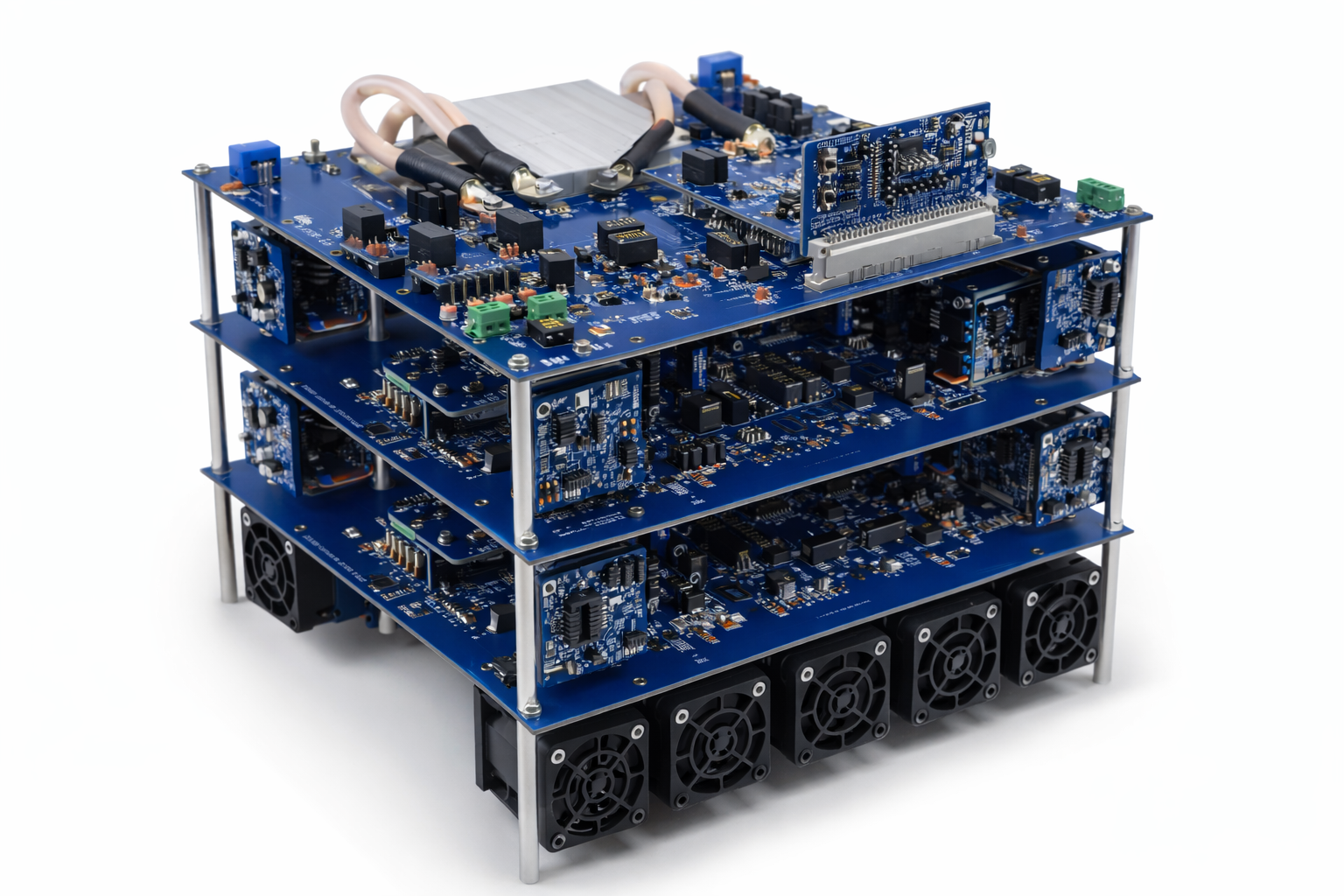
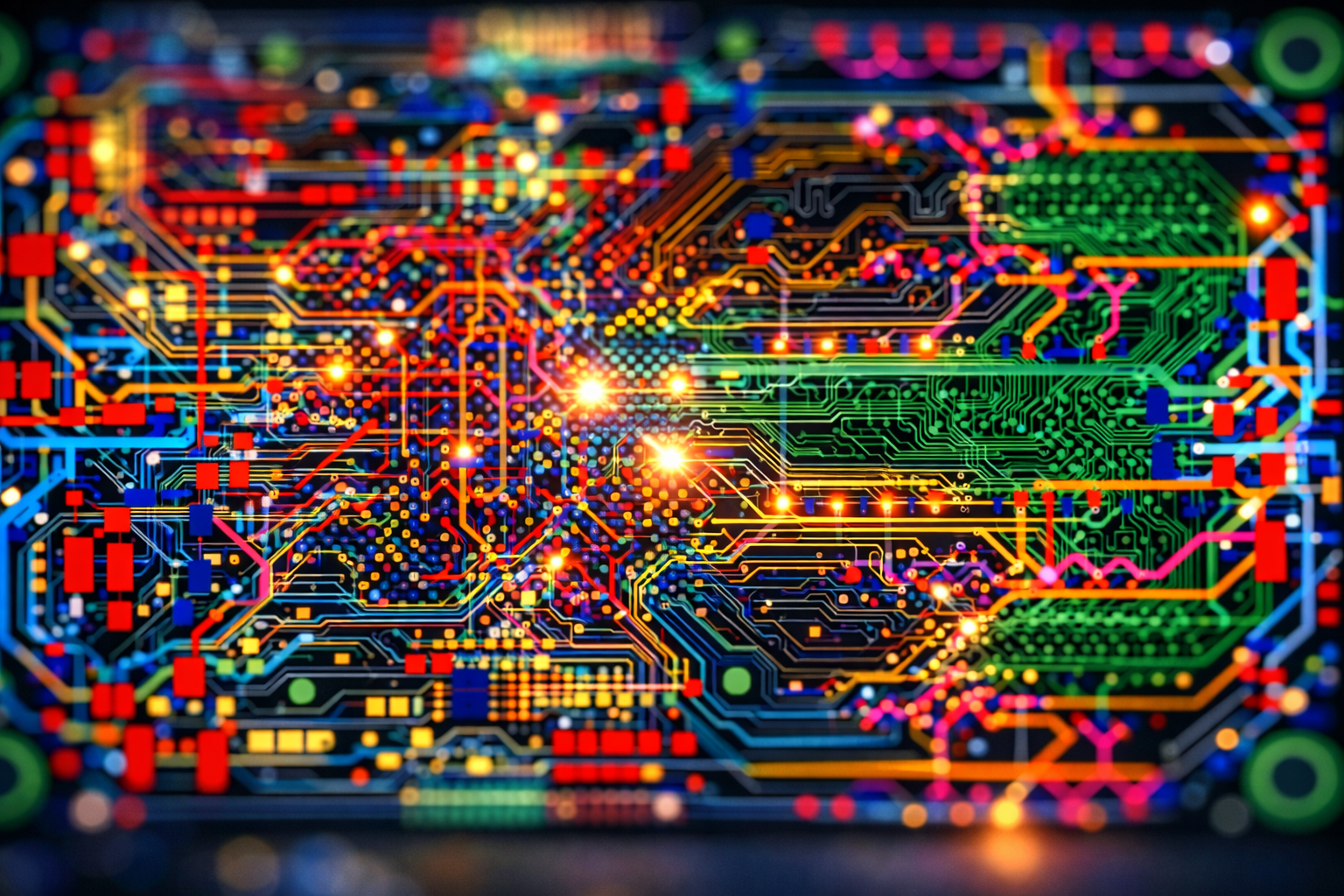
AI-generated visualization of the converter architecture currently under development. Certain technical details remain confidential pending validation and patent review.
Energy systems are becoming more electrified, decentralized, and power-dense. Yet many installations still rely on several separate converters, interfaces, and control stages. This increases hardware cost, cabinet volume, installation work, maintenance exposure, and system-level failure points.
Cupulse Interfaces is developing an integrated bidirectional converter architecture that combines multiple power-conversion functions into a compact platform. The objective is simple: fewer system blocks, fewer interfaces, lower total cost, and a clearer route to scalable energy infrastructure.
The company is currently moving from prototype development toward technical validation and pilot dialogue, targeting electrified infrastructure applications where converter complexity, integration cost, and scalability remain major industry challenges.
Current simulation results indicate high-efficiency performance characteristics while enabling multiport interconnection capability, where a single converter platform is designed to manage up to six interconnected systems simultaneously. Through parallel coupling, the architecture is intended to support scalable expansion across increasingly complex power environments.
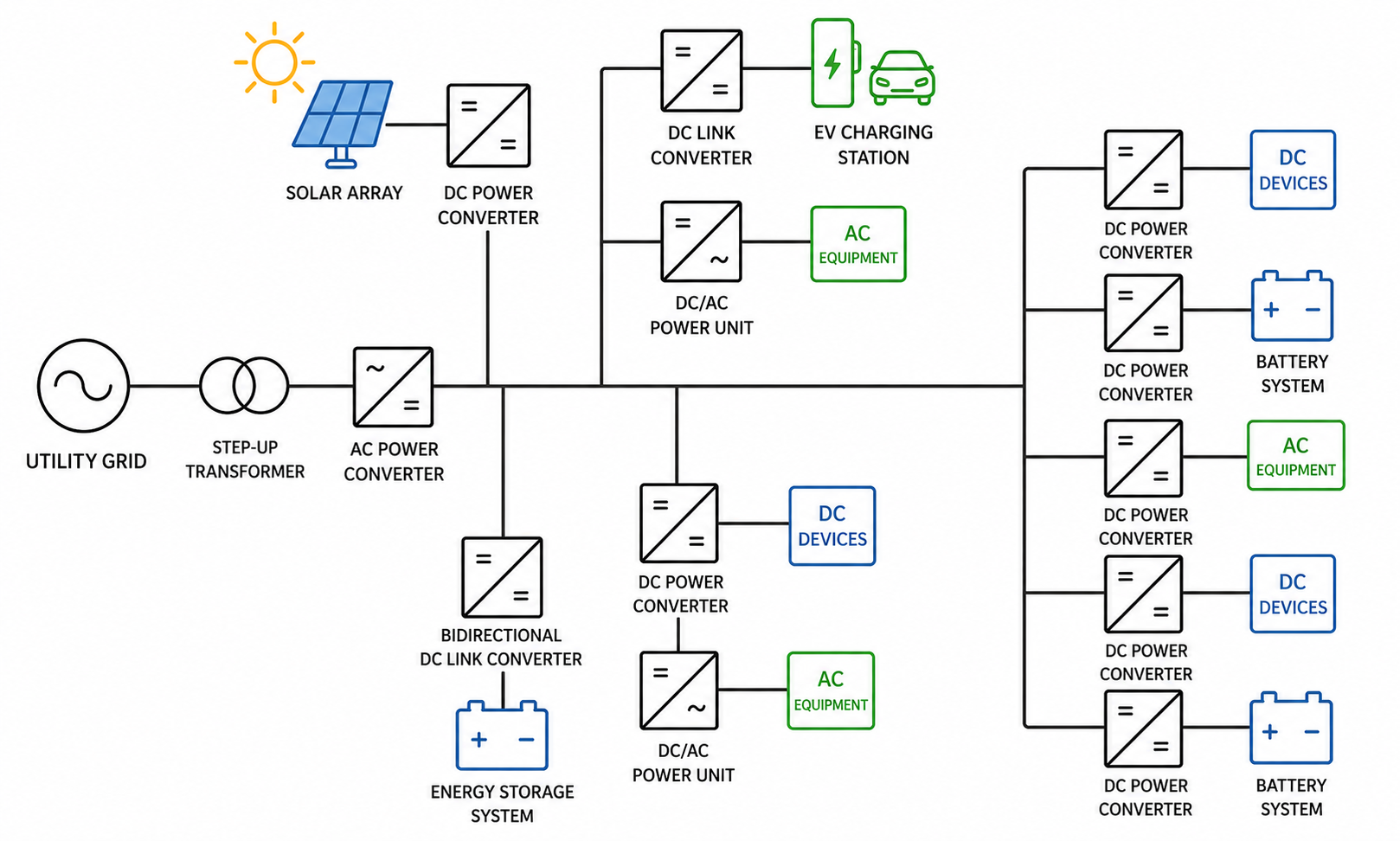
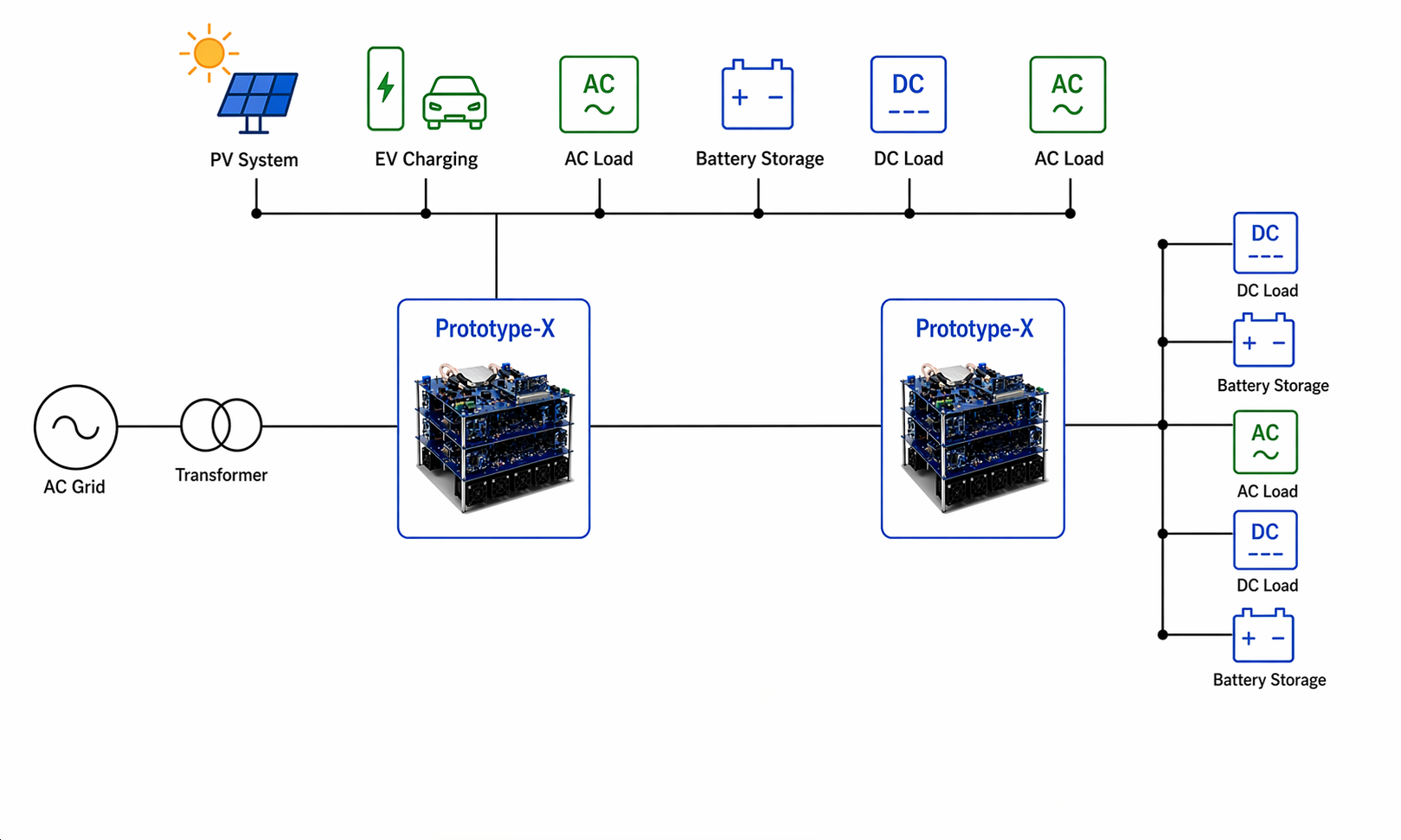
Compact converter topology • Multiport energy flow • Designed for scalable grid, storage, generation, and load integration
Core converter architecture is undergoing novelty assessment prior to patent application.
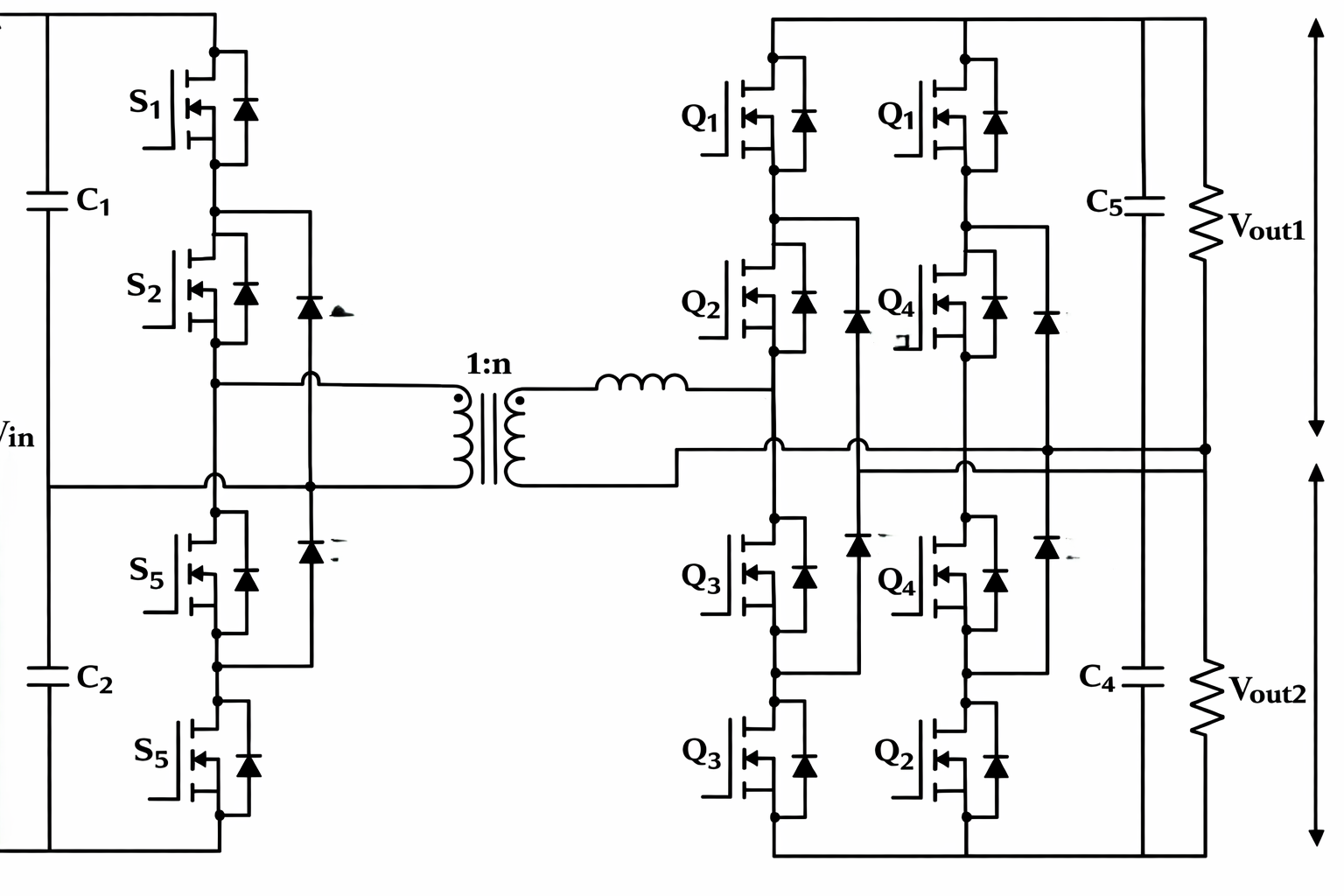
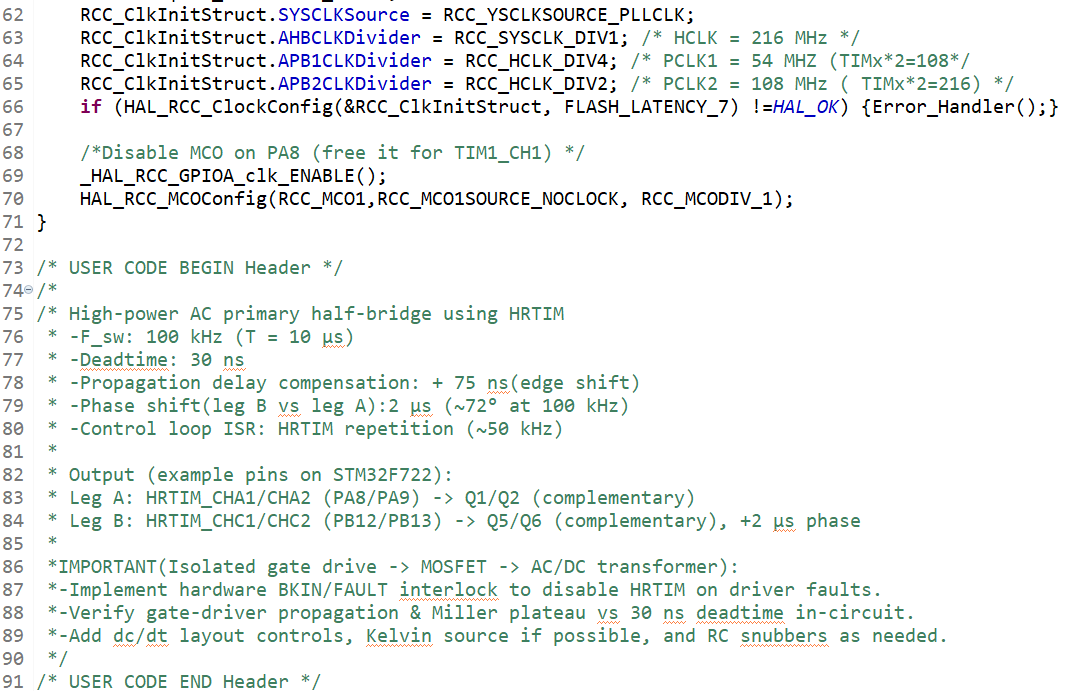
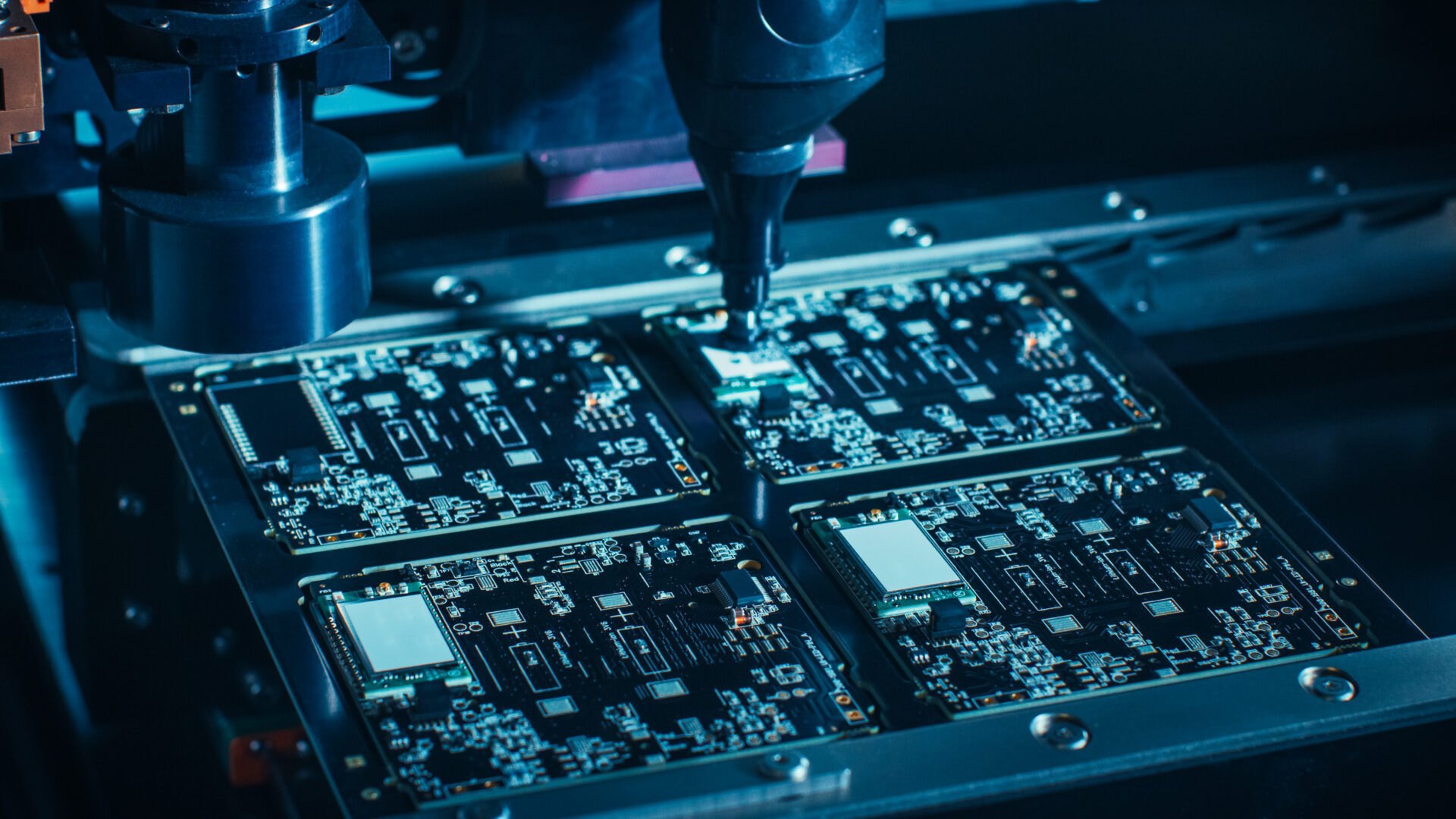
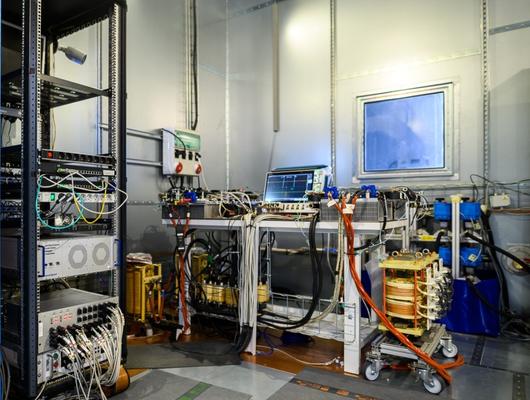
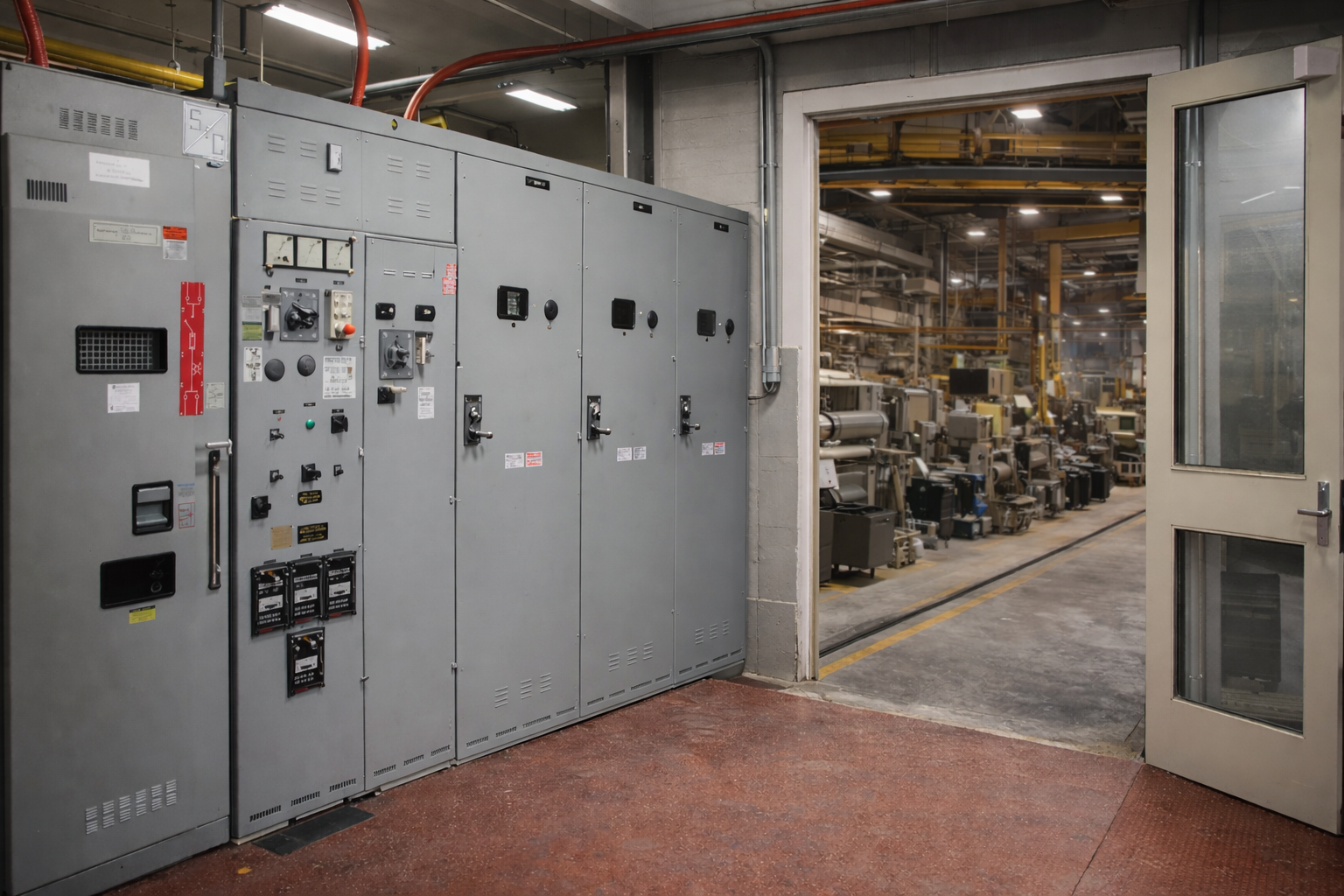
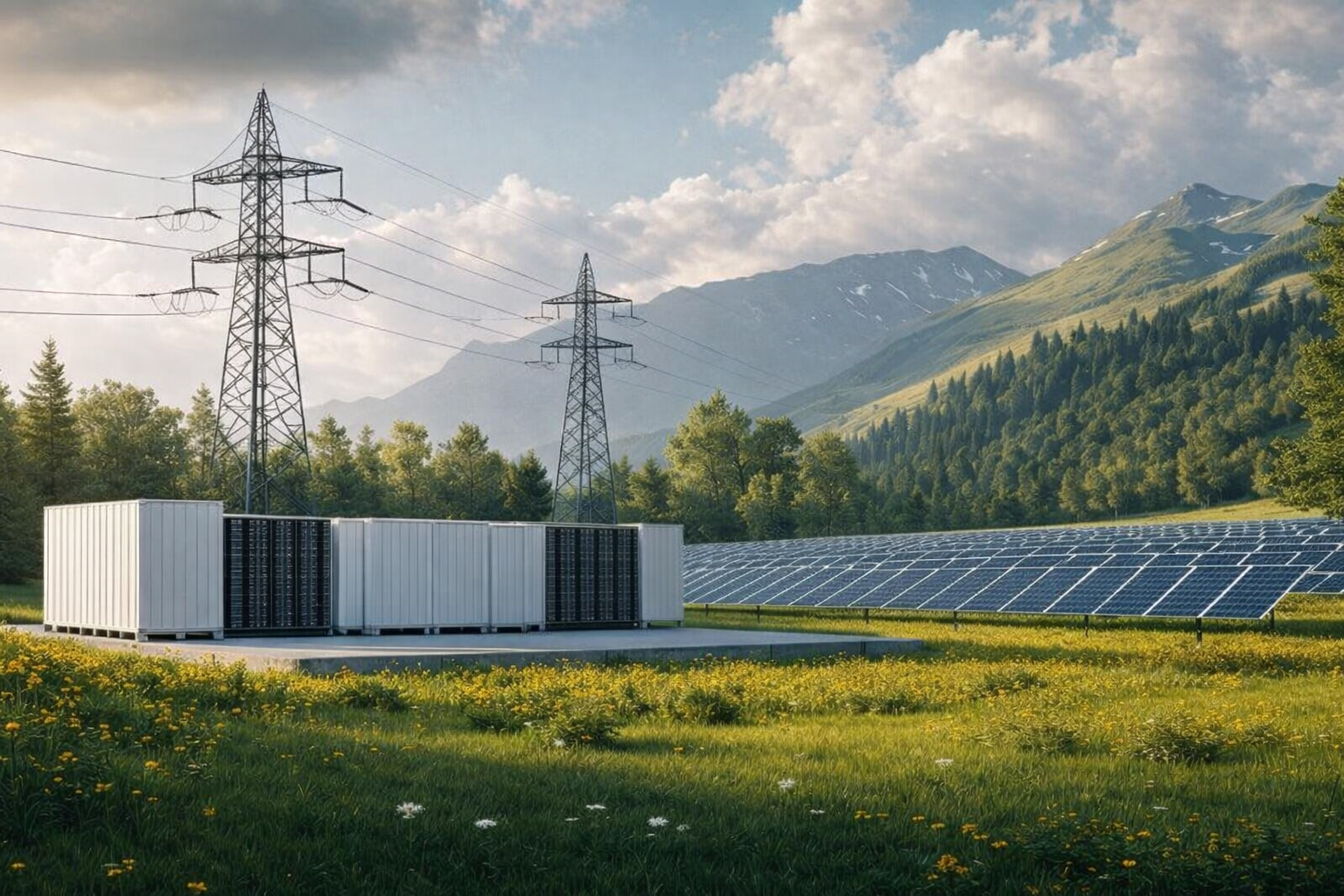
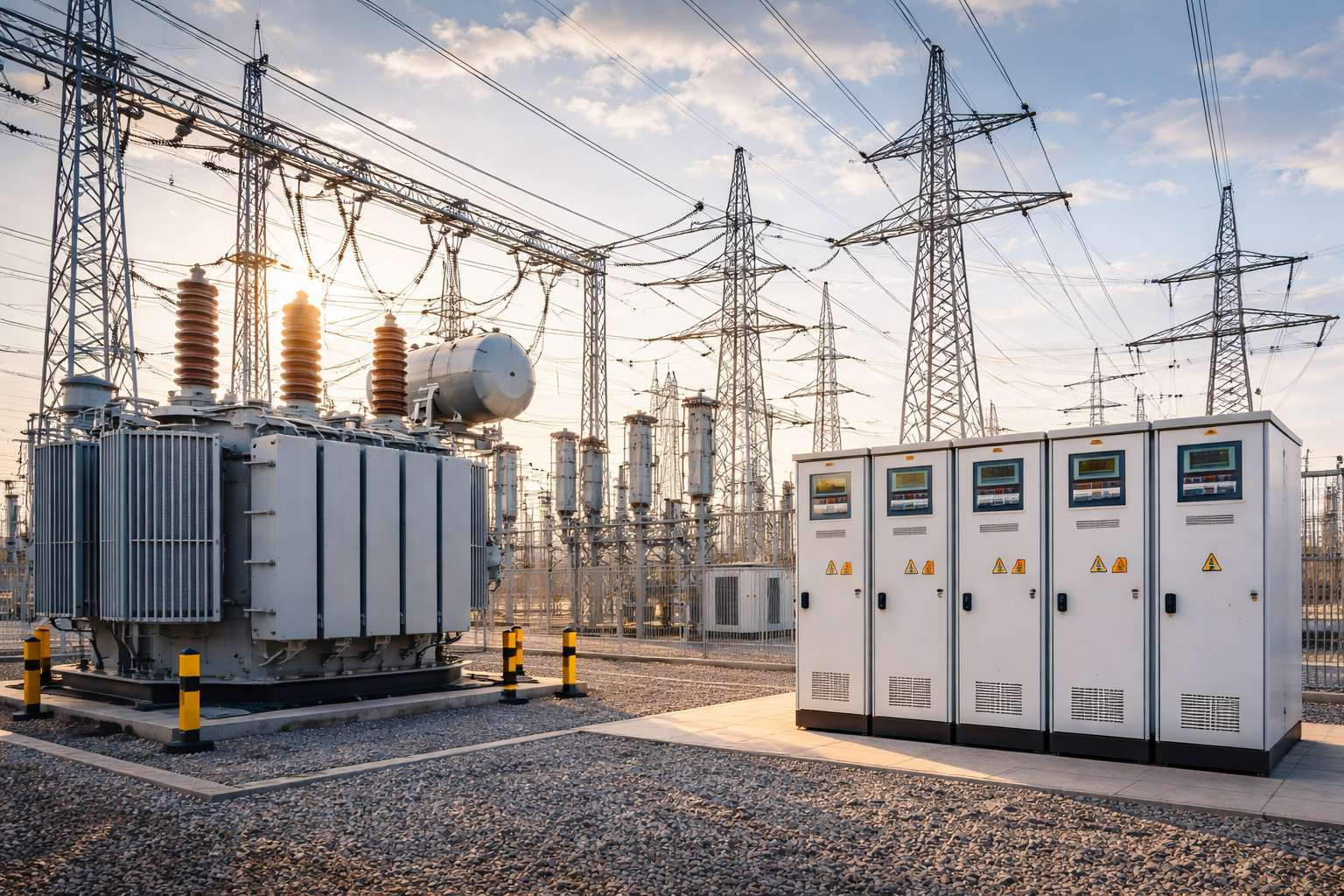
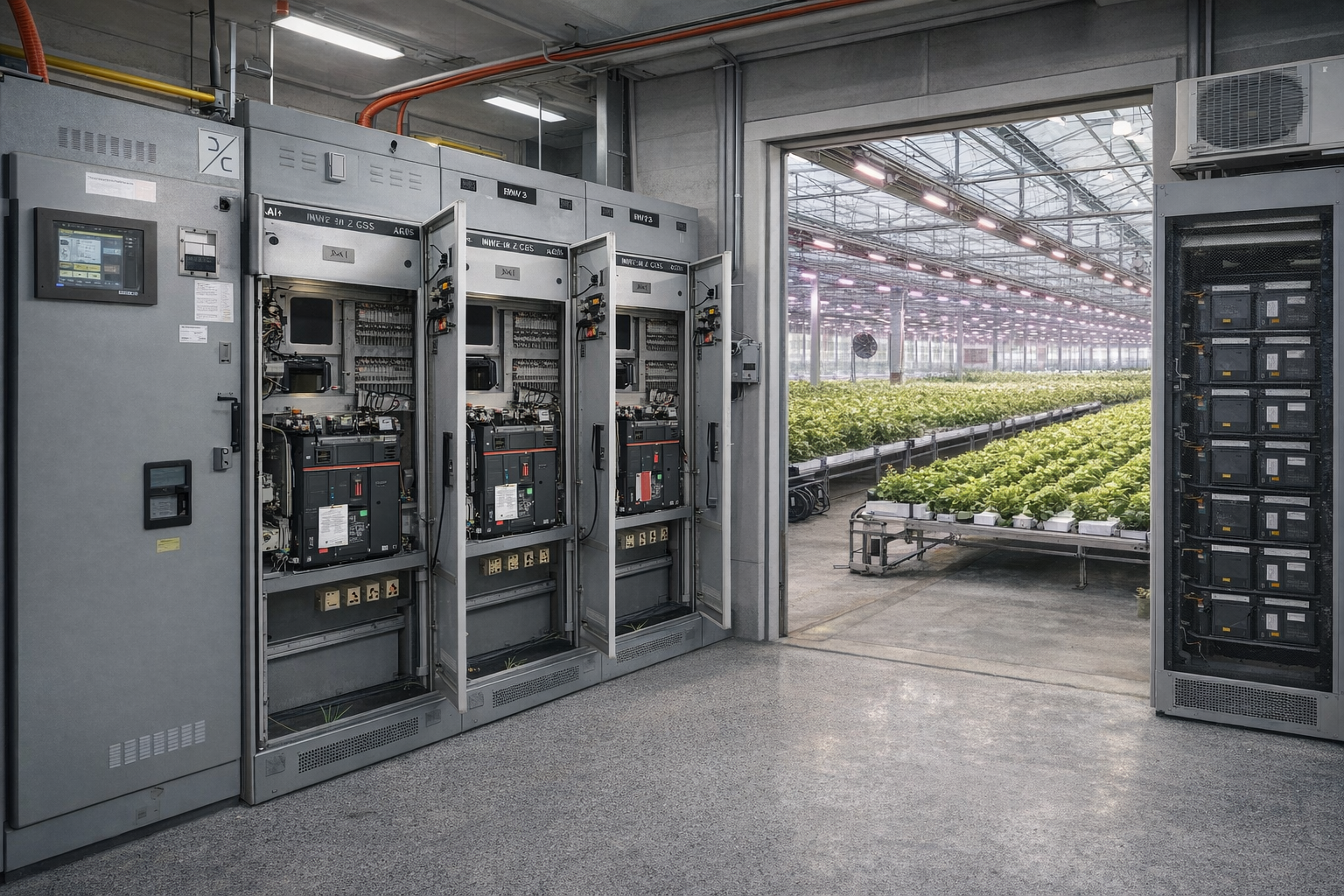
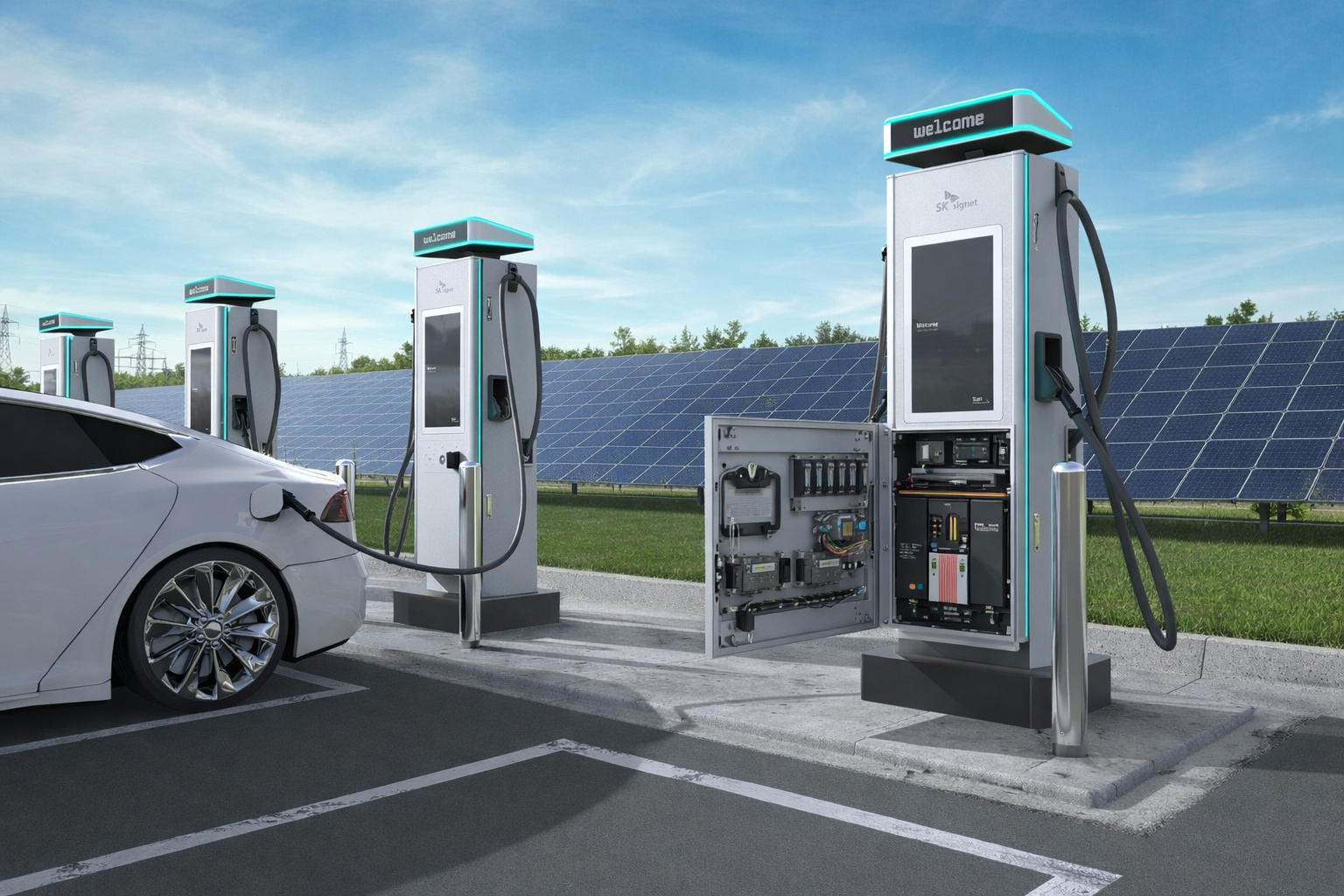
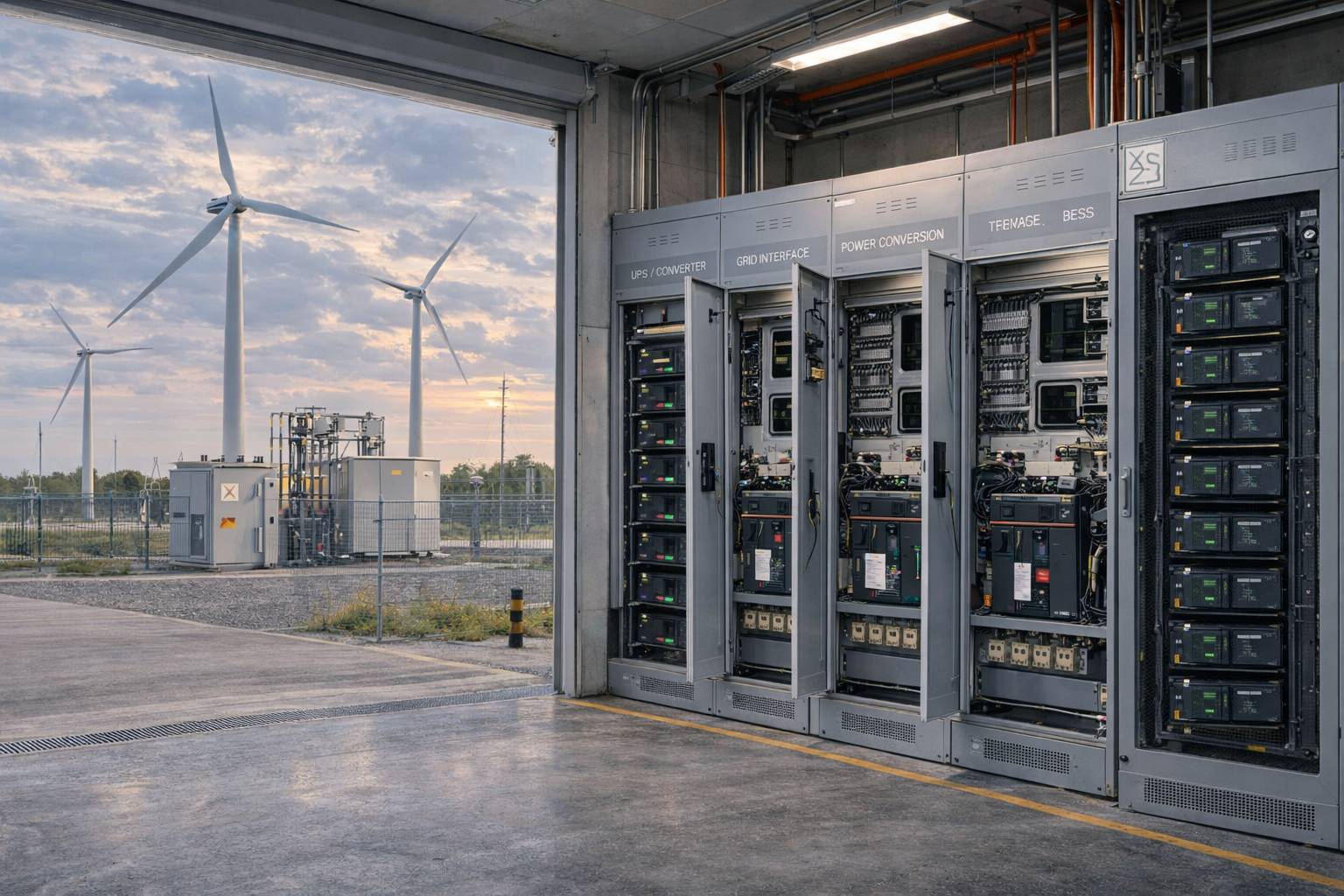
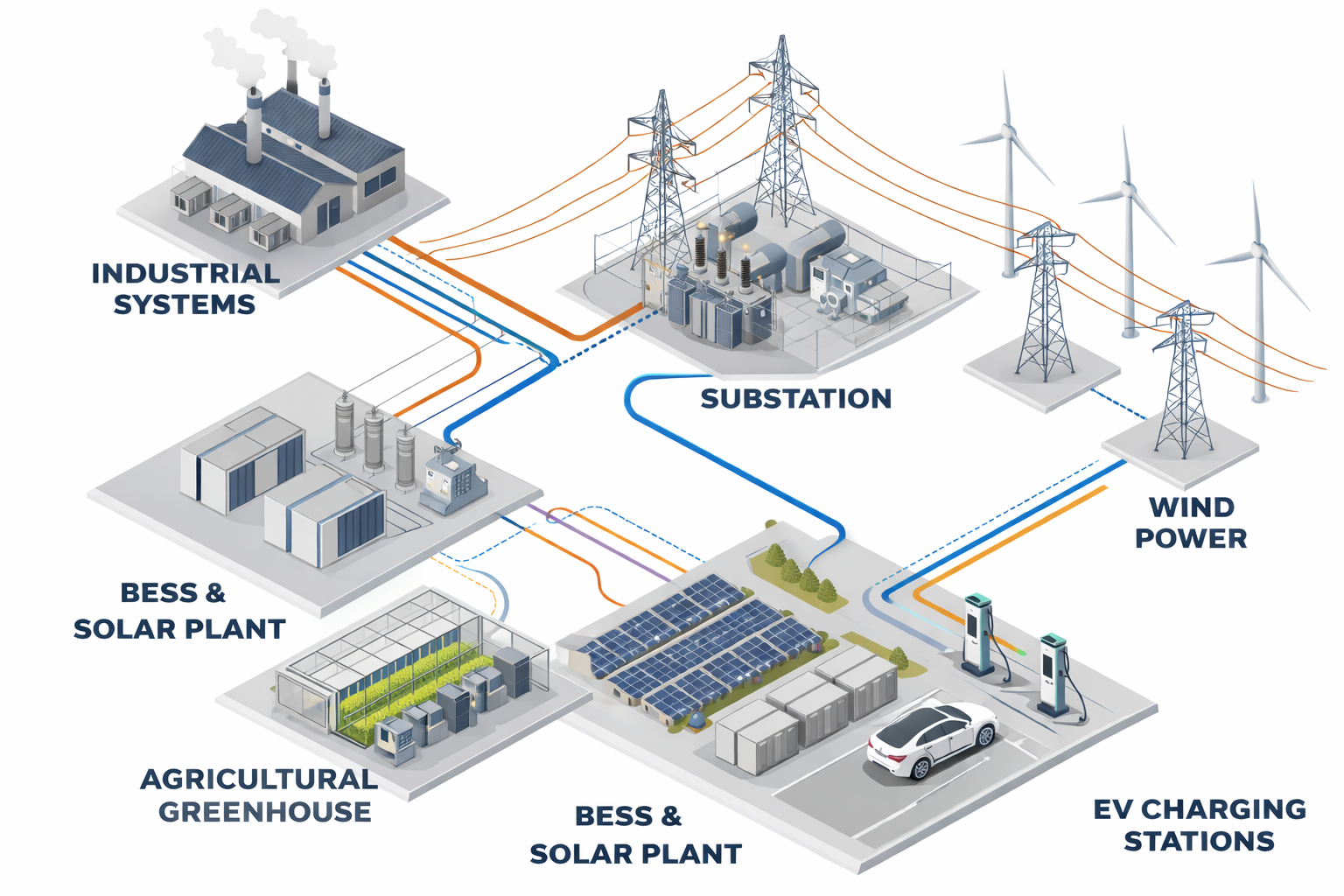
Cupulse Interfaces targets applications where several energy flows must be connected through one reliable platform: battery storage, renewable generation, industrial loads, EV charging, backup power, microgrids, and smart grid interfaces.
Fewer converters
98%+
~80%
Fewer interfaces
Multiport
Verification next
A simpler converter architecture can reduce material intensity, power losses, cabinet volume, and maintenance requirements. For Cupulse Interfaces, sustainability is a direct engineering outcome of lower system complexity.
We are looking for conversations with investors, utilities, industrial partners, and pilot customers who want to simplify power conversion architecture.
Cupulse Interfaces is built by a focused technical team combining power systems engineering, embedded software development, industrial electronics experience, and hands-on prototype execution.

Lucas Adamsson is an Energy Engineer (BSc, Umeå University, 2025) with a focus on electrical power systems, high-voltage technology, and power electronics. His internship at Minnesota State University, where he worked on a scalable smart grid bidirectional power converter, forms the technical foundation for Cupulse Interfaces. He currently works as a Power Systems Engineer at the Swedish Transport Administration.

Marcus Lundqvist is a Software Engineer (BSc, Umeå University, 2024) specializing in embedded systems and low-level programming. He works at SAAB, where he develops firmware and software for demanding embedded systems using C/C++.

Robin Gustafsson is an Instrument Technician at St1 Refinery AB with extensive experience in industrial equipment, electronics maintenance, and PCB soldering. He supports prototype assembly, troubleshooting, and practical electronics validation in industrial environments.